The Elegance of Wooden Handicrafts from Pakistan
Wiki Article
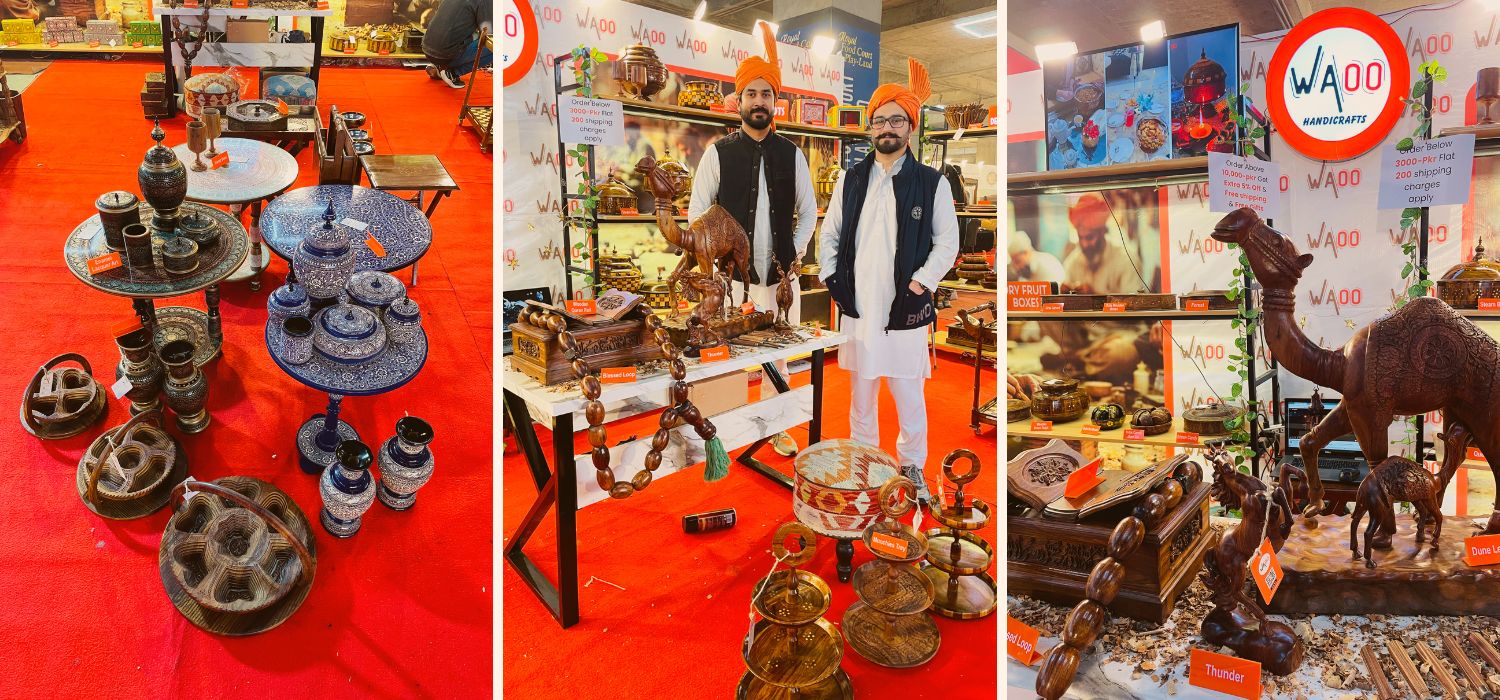
The artistry of wooden handicrafts in Pakistan reflects the rich cultural heritage and exceptional craftsmanship of the country. These handmade treasures, celebrated worldwide, merge functionality with aesthetic appeal. From intricate furniture to elegant decor, the handicrafts of Pakistan are a vibrant testament to tradition and innovation.
Historical Background
The tradition of wooden handicrafts in Pakistan has roots in ancient times, flourishing under Mughal influence. Cities like Chiniot, Gujrat, and Swat became hubs for skilled artisans, each with a distinctive style. Sheesham wood, renowned for its strength and beautiful grain, remains the cornerstone of Pakistani woodworking, allowing for detailed carvings and long-lasting creations.
Categories of Wooden Handicrafts
Pakistani wooden crafts offer something for everyone, whether it’s for practical use or decoration. Key categories include:
1. Handcrafted Furniture
Artisans craft exquisite furniture like beds, chairs, and tables that feature intricate carvings and motifs. These pieces combine utility with beauty, often incorporating floral or geometric designs inspired by Islamic art.
2. Decorative Masterpieces
Wall hangings, picture frames, and carved panels elevate interiors with their artistic elegance. These items are perfect for adding a touch of traditional craftsmanship to modern homes.
3. Everyday Kitchenware
Functional yet stylish, wooden kitchenware such as serving trays, spice boxes, and utensils showcases the blend of practicality and artistic design.
4. Keepsake Boxes and Gifts
Jewelry boxes and storage chests crafted with intricate designs and brass inlays are cherished as heirlooms or meaningful gifts.
Cultural Significance
The handicrafts of Pakistan hold immense cultural value, symbolizing the nation’s diversity and heritage. These crafts are an integral part of traditional celebrations and everyday life, embodying the essence of Pakistan’s artistic identity.
Challenges Facing the Industry
Despite its beauty and significance, the wooden handicraft industry in Pakistan faces multiple challenges:
Deforestation Issues: The dwindling availability of high-quality wood threatens sustainability.
Competition from Machine-Made Products: Cheaper, mass-produced items overshadow traditional handmade crafts.
Skill Drain: Younger generations are less inclined to pursue this labor-intensive art form.
Limited Market Access: Artisans often lack platforms to showcase their work to international buyers.
Revitalization Efforts
To sustain this legacy, various initiatives aim to support artisans and promote the industry:
Skill Enhancement Programs: Workshops teach both traditional and modern techniques to artisans.
Eco-Friendly Practices: Efforts focus on sustainable material sourcing and minimizing waste.
Market Expansion: Fairs, exhibitions, and online platforms help artisans reach a broader audience.
Conclusion
The wooden handicrafts in Pakistan are not merely products; they are cultural treasures that tell stories of heritage, dedication, and creativity. Supporting this industry helps preserve an age-old tradition while empowering local artisans. These timeless creations deserve recognition and admiration for their contribution to global artistry.
FAQs
1. Why are Pakistani wooden handicrafts unique?
Their intricate craftsmanship, cultural heritage, and use of high-quality materials make them stand out.
2. Which cities are famous for wooden handicrafts in Pakistan?
Chiniot, Swat, and Gujrat are renowned for their exceptional woodworking traditions.
3. How do you maintain wooden handicrafts?
Regular cleaning, avoiding moisture, and applying wood polish can keep them in excellent condition.
4. Are wooden handicrafts eco-friendly?
Yes, they are often made using sustainable practices and natural materials.
5. Where can I find authentic Pakistani wooden handicrafts?
You can purchase them from artisan markets in Pakistan or specialized online stores.